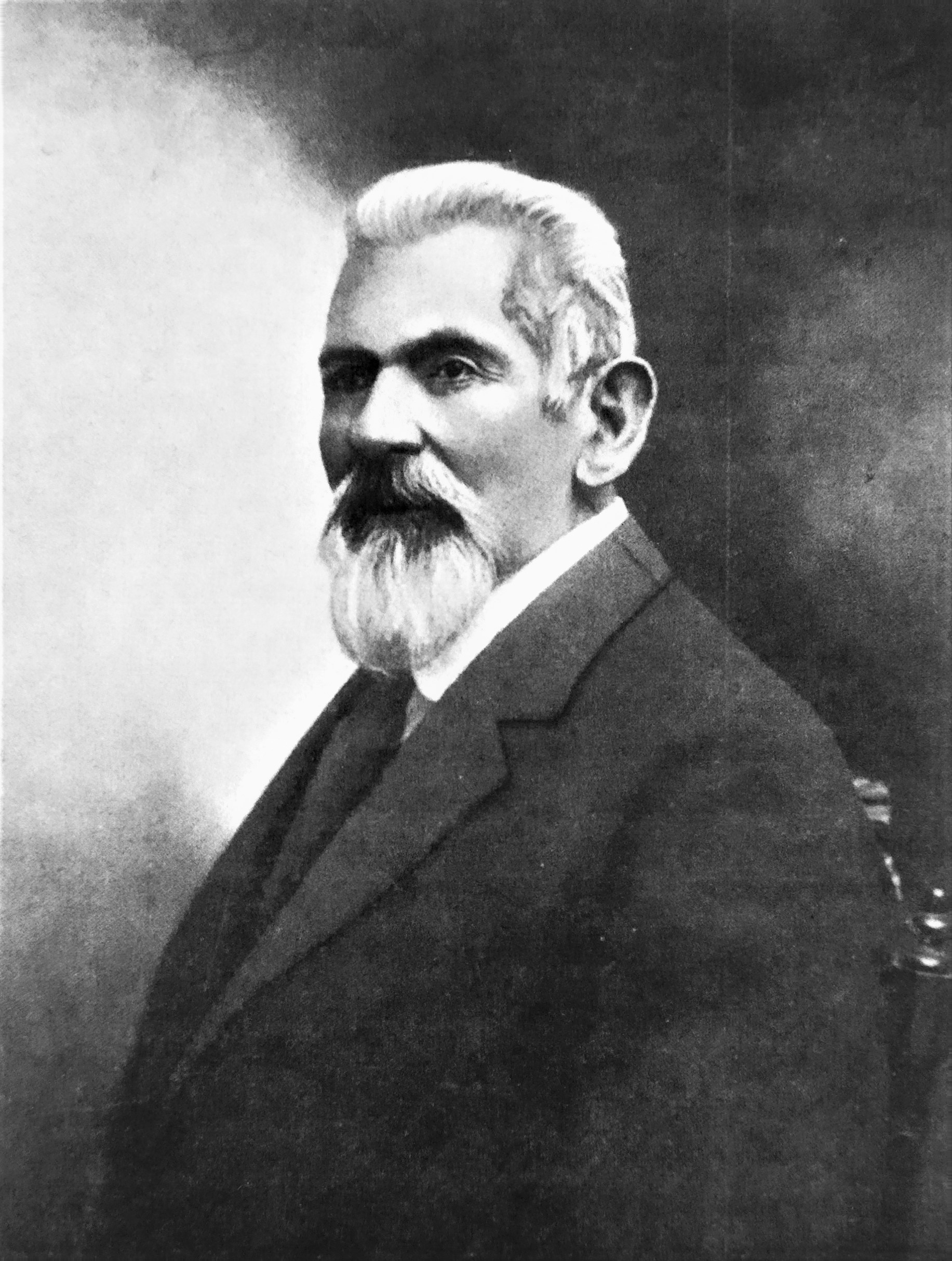
Patricio Escobar
General Don Patricio Escobar
War hero who became president and champion of education, founding the Universidad Nacional de Asunción.
Biography
Born on 17 March 1843 in San José de los Arroyos, Patricio Escobar entered military service as a private at the Cerro León mustering ground during the War of the Triple Alliance (1864-1870). He quickly distinguished himself through exceptional bravery and tactical skill, rising through the ranks from first officer to second lieutenant after the Battle of Curupayty. By 1867, he had become adjutant to Marshal López himself at the Headquarters of Paso Pucú, and was promoted to Colonel before the final Battle of Cerro Corá. His body bore the physical testimony of his service—covered in scars from numerous battles. Even after being imprisoned by enemy forces, he immediately returned to active duty upon his release, demonstrating unwavering dedication to Paraguay. Escobar's transition from military hero to statesman marked a crucial turning point in Paraguay's reconstruction. Assuming the presidency on 25 November 1886, he deliberately chose a different path from typical military strongmen of the era. Rather than ruling through force, Escobar recognised that Paraguay's survival depended on rebuilding its intellectual and institutional foundations. His government gave special importance to education as the engine of national progress, enacting the law of obligatory primary education in 1887 and creating the National Council of Education that same year. The crown jewel of Escobar's educational legacy was the founding of the Universidad Nacional de Asunción on 24 September 1889, Paraguay's first university. Two years earlier, he had established the Biblioteca Nacional (National Library) in 1887. His administration also re-opened the Law School in 1888 and created public schools in Villa Rica, Encarnación, Pilar, and Concepción. He collaborated with the renowned Argentine educator and former president Domingo Faustino Sarmiento to develop new educational plans for the country. The Speratti sisters, pioneering educators, returned from exile in 1890 and organised the School of Teachers with his government's support. Beyond education, Escobar's presidency modernised Paraguay's infrastructure and institutions. He extended railway tracks from Paraguarí to Villa Rica, established the Agricultural Bank and the Official Newspaper, and oversaw the installation of electricity in Paraguay for the first time. His government created the Bank of Paraguay and ensured Paraguay's participation in the First International American Conference in Washington. After leaving the presidency in 1890, Escobar continued to serve his nation as President of the Senate in 1894 and 1902. He died at his home in Asunción on 19 April 1912, remembered as the war hero who transformed himself into an architect of Paraguay's educational renaissance.
Historical Significance
Escobar represented the transformation of military heroes into nation-builders. Rather than ruling through force, he focused on creating institutions that would educate future generations and rebuild Paraguay's devastated society.
Featured on Banknotes
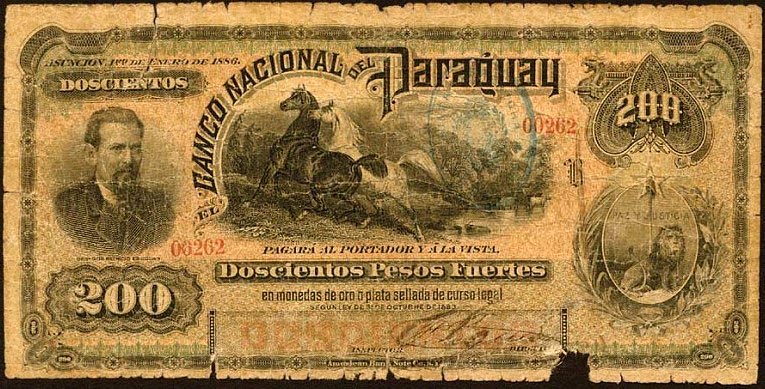
Features General Don Patricio Escobar, President who founded Universidad Nacional de Asunción.